Food & Markets

The market is the city's living room. Here's how to find yours.

The market is the city's living room

If you want to understand a city in a single morning, go to its food market. Not the tourist market — the neighborhood one, the one where people actually shop. Here you will find the ingredients that define the local cuisine, the social codes that govern everyday transactions, and the seasonal rhythms that still organize life in ways that supermarkets have tried to erase. The food market is where a city reveals what it actually eats, values, and grows.

Market days carry their own social function. In many cities they are the week's punctuation — the moment when neighbors meet, gossip is exchanged, and a sense of community is renewed. Shopping at a local market is never just shopping. It is participation in a ritual that predates tourism, predates supermarkets, and will likely outlast both. When you eat seasonally in a foreign country, you stop imposing your own food calendar on a place and start following its own. A tomato in August in Portugal. Persimmons in November in Japan. These seasonal encounters become the taste of a place in memory.

Market Guides for Slow Travelers

Kyoto, Japan

Nishiki Market

Nakagyo Ward, Central Kyoto

Known as Kyoto's Kitchen, this narrow covered arcade has been feeding the city for over 400 years. Running five blocks east to west near Shijo Street, its 100-plus stalls sell pickles, tofu, fresh fish, sweets, and seasonal produce that you won't find anywhere else in the country.

  • Go on weekday mornings before 10am — the vendors are less hurried and more willing to explain what things are.
  • Buy tsukemono (pickled vegetables) — they make excellent, light lunches and keep well in your apartment.
  • Look for the stores that specialize in a single ingredient. These are where the quality is highest.
Lisbon, Portugal

Mercado de Campo de Ourique

Campo de Ourique, West Lisbon

A belle époque market hall that doubles as a social club for the neighborhood. Open Tuesday through Sunday, this is where Campo de Ourique residents — among the most local of Lisbon's neighborhoods — do their weekly shopping, meet for coffee, and debate politics over the newspaper.

  • Saturday morning is peak social time. Come for coffee and a pastry before exploring the stalls.
  • The cheese and charcuterie vendors stock regional products unavailable in supermarkets — ask for recommendations.
  • The prepared food stalls at the back are where locals grab lunch. Follow the regulars, not the menu boards.
Medellín, Colombia

Mercado del Río

Ciudad del Río, El Poblado

A modern food hall celebrating Colombian produce, with raw market stalls alongside craft beer and gourmet stands. More curated than a traditional plaza de mercado, but deeply connected to regional food culture — particularly the tropical fruits and fresh herbs that define Antioqueño cooking.

  • Try the seasonal fruit stalls first. Colombia has over 200 native fruit varieties — many unavailable abroad.
  • The arepas con huevo at the back corner are a long-standing local favorite.
  • Visit on Thursday evenings when local producers set up additional stalls and the atmosphere is most vibrant.
Tbilisi, Georgia

Dezerter Bazaar

Near Avlabari Metro Station

The city's biggest and most authentic market, where you'll find churchkhela (walnut-filled grape candy), tkemali (sour plum sauce), dried spices sold by the scoop, and vegetables sold by the kilo from farmers who drove in before dawn. It is loud, generous, and absolutely alive.

  • Bring small bills and a bag. No one here is waiting for card payments or offering paper bags.
  • The spice section is unmissable — buy khmeli suneli (Georgian spice blend) and dried fenugreek to cook with at home.
  • The dried fruit and nut vendors in the central section sell by weight — point to what you want and they'll weigh it in front of you.
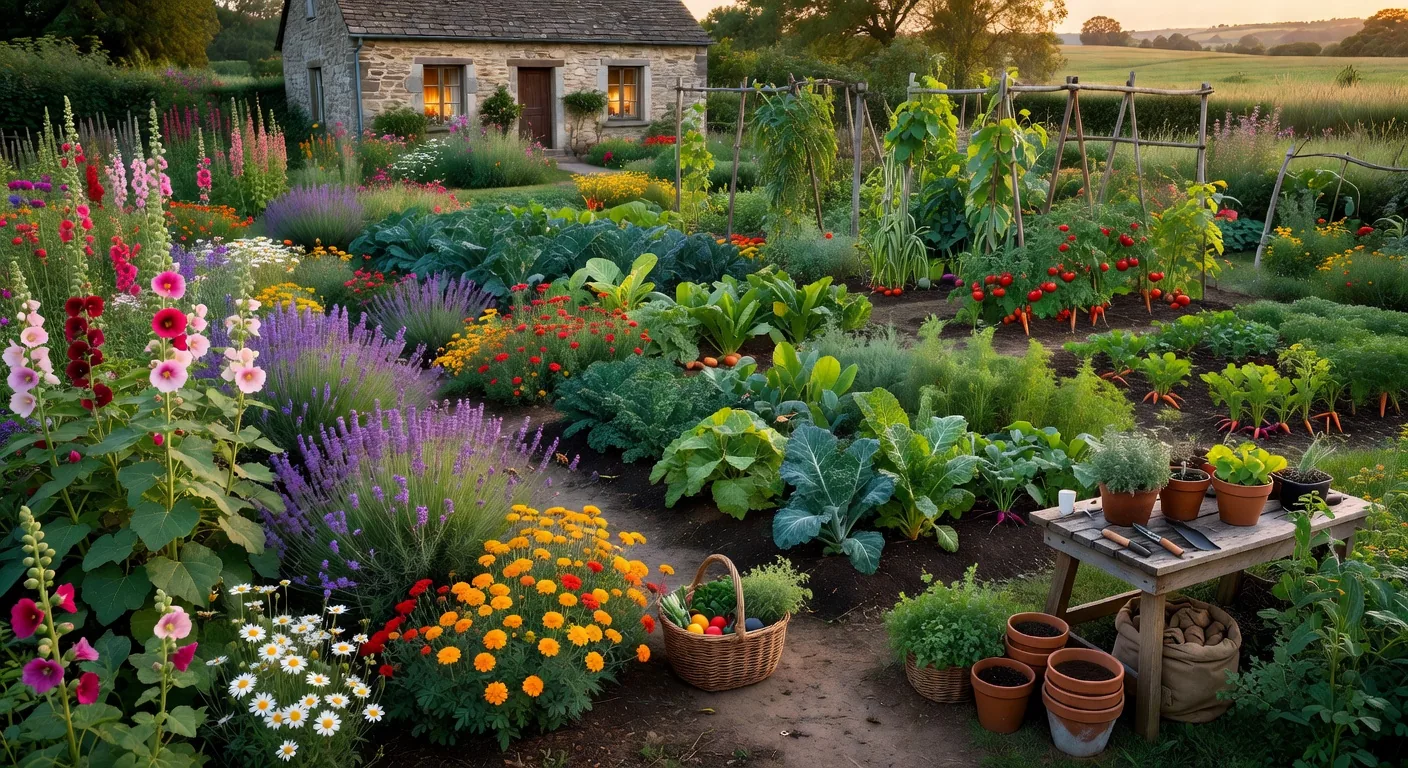
A farmhouse garden with seasonal produce

Let the market tell you what to cook

When you stop buying what you know and start buying what's abundant, something shifts. You begin to taste place as time. These are the ingredients worth seeking.

Spring
  • Sansai (山菜) Wild mountain vegetables in Japan — foraged, bitter, brief.
  • Broad Beans In Lisbon markets from February, eaten raw with sheep's cheese.
  • White Asparagus A fleeting luxury in European markets, eaten simply with butter.
  • Ramps & Wild Garlic Pungent, perfumed, and worth every effort to find.
  • Spring Onions Grilled whole over charcoal in Catalonia's calçotada tradition.
Summer
  • Heirloom Tomatoes In southern Europe: eat them warm from the vine with salt and oil.
  • Maracuyá Passion fruit, ubiquitous in Colombian markets, perfumes everything it touches.
  • Shiso Japan's fragrant herb — use as a wrap, garnish, or infuse in drinks.
  • Stone Fruit Peaches and nectarines in Georgia arrive bruised and extraordinary.
  • Sweet Peppers Roasted and preserved in Tbilisi as a condiment for everything.
Autumn
  • Kaki (Persimmon) Japan's golden autumn fruit — eat when fully soft and yielding.
  • Matsutake The most prized and pungent mushroom in Japan. Worth the price once.
  • Quince Sold in Lisbon markets with recipes folded inside the bags.
  • Walnuts Fresh from Georgian farms in October, eaten with grape must (churchkhela).
  • Root Vegetables Sweet potatoes, celeriac, and beets arrive at their most complex.
Winter
  • Citrus Portugal's clementines and blood oranges — eat them by the bag.
  • Kale & Cavolo Nero Caldo verde in Lisbon, braised with olive oil and garlic.
  • Miso In Japan, winter deepens the fermentation. Markets carry dozens of regional types.
  • Pomegranates In Georgia, split and eaten on the street or pressed into juice at stalls.
  • Dried Legumes Every culture's cold-weather staple. Buy locally and cook slowly.

The Joy of Cooking in a Rented Kitchen

There is something quietly transformative about cooking in a rented apartment with ingredients from a local market. You're not following a recipe from home — you're improvising with what was available today, what the vendor recommended, what looked best at the stall. The dish you make will be unrepeatable and the memory will be specific to that place and season.

The kitchen in a rented apartment is rarely equipped the way yours is at home, and this limitation turns out to be a gift. You strip back to essentials: a good pan, olive oil, a knife that roughly works. The cooking becomes simpler and the flavors — because the ingredients are fresher, more seasonal, closer to source — are more vivid than anything you could achieve with a fully equipped kitchen and imported produce.

Keep your market bag folded in your pocket when you explore the neighborhood. When you pass a market stall on your walk, you'll be ready. Some of the best meals of a long stay are the accidental ones: the ripe tomatoes that were too beautiful to leave, the vendor who gave you something to try and insisted you take more home, the evening you cooked without a plan and everything came together.

Simple Recipe Card

Caldo Verde

Lisbon, Portugal — A winter market essential
Market Ingredients
  • 4 large waxy potatoes, peeled and sliced
  • 1 large bunch couve galega (or kale), finely ribboned
  • 2 chouriço sausages, sliced
  • 1 onion, diced
  • 4 cloves garlic, crushed
  • Good olive oil, salt, pepper
Method
1

Soften onion and garlic in olive oil over medium heat for 8 minutes. Add potatoes, cover with water, and simmer until very tender.

2

Blend the soup until smooth. Return to the pan, taste for salt, and adjust consistency with hot water.

3

Bring to a gentle simmer. Add the ribboned kale and chouriço. Cook for 3–4 minutes only — the kale should remain bright.

4

Finish with a thread of olive oil in each bowl. Eat with crusty bread and a glass of vinho verde.

The Unwritten Rules

Street food has its own etiquette, and knowing it marks you as someone who has paid attention.

Where food fits in the bigger picture